
Birds of Tanzania: A Birdwatcher's Paradise
Discover over 1,100 bird species including the vibrant Lilac-breasted Roller, majestic Secretary Bird, and colorful Fischer's Lovebird in Tanzania's diverse ecosystems.
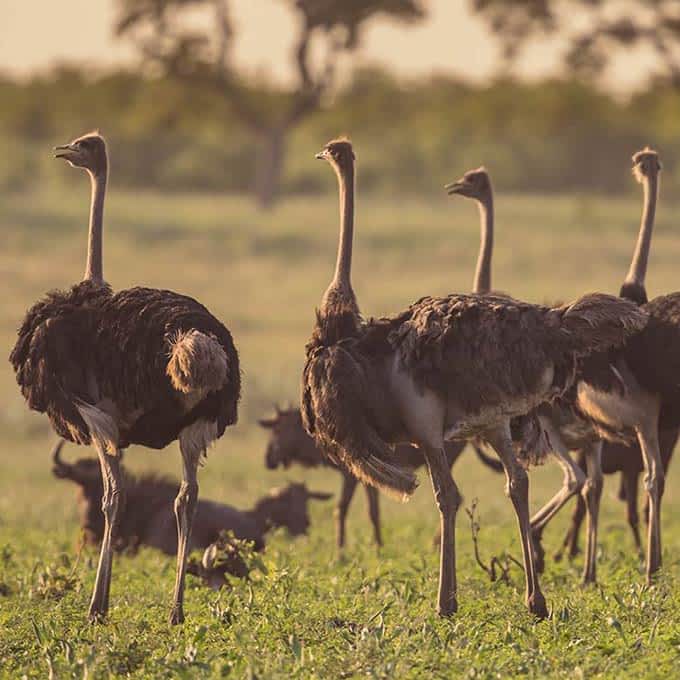
Tanzania stands as one of Africa's ultimate birdwatching destinations, hosting an impressive 1,123 recorded bird species across its diverse ecosystems. From the vast Serengeti plains to the montane forests of Kilimanjaro, this East African gem offers unparalleled opportunities for both novice birders and seasoned ornithologists.
Endemic Species: Tanzania's Unique Treasures
Tanzania boasts 24 endemic bird species found nowhere else on Earth. The Fischer's Lovebird, with its striking orange face and green body, is perhaps the most famous, inhabiting the acacia woodlands of northern Tanzania. The Rufous-tailed Weaver and Tanzania Masked Weaver are equally captivating endemics that reward dedicated searchers.
The Serengeti: A Birding Paradise
The Serengeti National Park alone supports over 500 bird species, making it a microcosm of African avian diversity. Here, the iconic Secretary Bird strides through grasslands on its stilt-like legs, hunting snakes with remarkable precision. The park's kopjes (rock outcrops) host specialized species like the Red-rumped Swallow and Mocking Cliff-chat.
Seasonal Migrations: A Spectacular Phenomenon
Between November and April, Tanzania becomes a temporary home to millions of Palearctic migrants. European Bee-eaters paint the sky in rainbow colors, while countless warblers, flycatchers, and shrikes join the resident species. Lake Natron transforms into a pink wonderland when over 2.5 million Lesser Flamingos arrive for breeding.
Lake Manyara: The Flamingo Spectacle
Lake Manyara National Park offers one of East Africa's most dramatic birding experiences. When conditions are right, both Greater and Lesser Flamingos create a pink carpet across the alkaline lake. The park's diverse habitats also support the rare Ground-hornbill, colorful Lilac-breasted Roller (Tanzania's national bird), and over 400 other species.
Montane Forest Gems
The Eastern Arc Mountains, including the Usambara and Uluguru ranges, harbor unique montane forest species. The endangered Usambara Eagle-Owl, with fewer than 1,000 individuals remaining, represents the conservation challenges facing Tanzania's highland forests. Sunbirds, barbets, and bulbuls add splashes of color to these misty forests.
Best Birding Locations by Habitat
Grasslands & Savannas: Serengeti, Tarangire - Secretary Bird, Ground-hornbill, Yellow-throated Longclaw
Wetlands: Lake Manyara, Lake Natron - Flamingos, Pelicans, Storks
Forests: Arusha National Park, Usambara Mountains - Turacos, Sunbirds, Forest-hornbills
Coastal Areas: Zanzibar, Pemba - Mangrove Kingfisher, Crab Plover, Coconut Lorikeet
When to Visit: Timing Your Birding Safari
The wet season (November-April) offers the best birding opportunities when migrants arrive and resident species display breeding plumage. However, each season has its rewards:
November-January: Peak migration, lush landscapes
February-March: Breeding season, active behavior
April-May: Fewer tourists, excellent photography conditions
June-October: Dry season concentrates birds around water sources
Essential Birding Tips
Tanzania's incredible avian diversity, from the smallest sunbird to the massive Kori Bustard, offers endless discoveries. Whether you're seeking endemic species, documenting migration patterns, or simply enjoying nature's beauty, Tanzania's birdlife will exceed your expectations and leave you planning your next visit before you've even left.